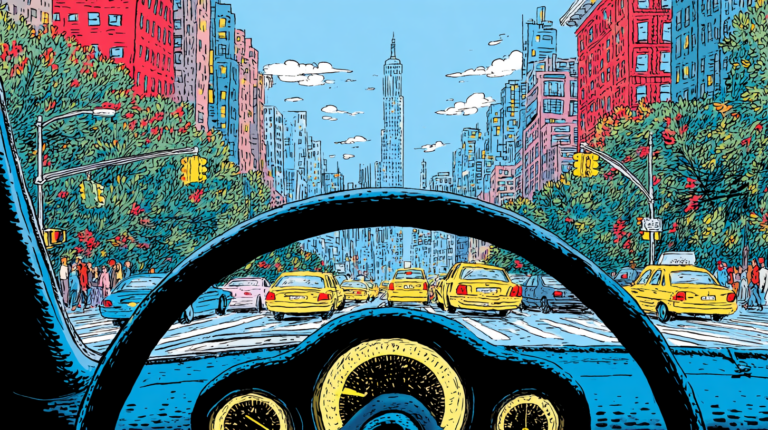

The future is now.
When you think of self-driving cars, you may imagine scenes from a sci-fi movie, with sleek silver cars sliding perfectly into and out of the flow of traffic. Pedestrians simply express their desire for a car, and in moments one appears.
Just as easily, you might also think of media reports you’ve seen about crashes and other malfunctions of these vehicles in the recent past. You may even think of both and think that the sci-fi depiction is far-fetched and unlikely. The reality is actually simpler: self-driving cars are inevitable.
In the US, we love our cars. Nearly 92% of households have access to a motor vehicle. We have car shows, car racing, car dealerships everywhere, and even TV shows about cars. It’s an accepted part of our society. In a geographically expansive country like ours, cars are essential for many. Along with car culture, we also have a cultural acceptance of the dangers and even fatalities that come from car accidents. The US (human) accident rate is approximately 2,000 per million miles driven. Around 40,000 people are killed each year in auto accidents. Right now, hardly anyone talks about these deaths. There are few news articles, and it is generally accepted as the price of driving.
What if we could reduce the number of injuries and fatalities to 50% of what they are now? Or even further, what about 80%? Would it be worth it to switch to self-driving cars then? Interestingly enough, preliminary numbers from Waymo indicate that they already are 80% safer. The media rushes to report any accidents caused by these cars, which may give the impression that they are much more dangerous. The truth is, they actually promise a safer world for all.
Imagine a world with safe, self-driving cars. Mothers would feel more comfortable about their children. Parents’ dreadful fears about having a 16-year-old out on the streets would be almost completely relieved. People wouldn’t worry about the vision and dexterity loss of the elderly when they get into a vehicle. Drunk driving would be a thing of the past. Road rage would almost be eliminated—self-driving cars won’t cut off or tailgate other self-driving cars. Tens of thousands of lives would be saved per year, in the US alone.
Currently, most people do not realize that these autonomous vehicles are safer than a human driver. Concurrently, it is also not well understood that the performance of AI across most domains is growing at a staggering rate. This means that these cars that already outperform human drivers will keep getting better and better. At some point, it will be obvious that the best choice will be to give up our keys. Other factors will contribute to this as well; safety is only one of the reasons to switch.
For a while, there will be a mix of self-driving cars and manned vehicles on the road. As we move toward a majority of autonomous cars on the road, we will increasingly see the benefits:
- Improved fuel efficiency
- Reduced travel time
- Ability to work or relax in the car
- More pleasant commutes
- No need for car ownership
- Reduced insurance and liability
Autonomous vehicles will drive without being heavy on the gas pedal. They will be able to coordinate with other vehicles to have smooth lane changes and predict routes and congestion based on shared information. People going to work will simply step into a car and can relax with a coffee, start reading email, or even get a little extra sleep.
What’s more, with fleets of these cars on the roads, you won’t even need to own one. If you don’t own a car, there is no need for individual insurance; you’ll simply share a minor cost every time you ride. You can be tired or intoxicated and get right in. The blind and elderly and many others who have difficulty driving will now have the same option as everyone else. If you rent from a service, you never have to pay for parking.
Even if you own your own self-driving car, you can just have it go back home or park far away and then come pick you up when you’re done. No long walks to the car, no paying parking fees. Imagine this: no more parking tickets. While we’re at it: no more speeding tickets or traffic violations. Waymo and Tesla’s planned Robotaxi networks are already betting on this being our future. Uber is launching its own self-driving taxi service this year.
If there were 80% fewer accidents overall, it would save over 30,000 American lives per year. At some point, the benefits will far outweigh our desire to keep driving. Right now, these cars still have their challenges, such as difficult weather, construction zones, and complex urban environments, but it won’t be long until these challenges are solved. The real barriers are regulation and public sentiment. Once governments and the public realize the avalanche of benefits from these vehicles, the tipping point will occur, and we will begin our transition. Welcome to the future.
Download the Think Like an Economist: Classroom Edition activity to explore this article through discussion, analysis, and reflection. Access this and past classroom-ready lessons in the FEE Learning Center by creating a free account.