
Weight-loss drugs are changing holiday food consumption.
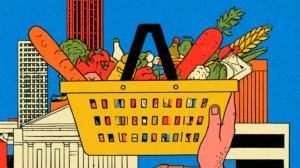
It’s no secret that the receipts for your usual grocery store runs have looked larger over the last year. The USDA reports that, due to inflation, food prices, collectively, have gone up 2.8% while more specific categories such as meat and produce have seen more dramatic increases. With the holidays here, families are seeing a 6% increase in the cost for a 10-person Thanksgiving feast compared to the previous year.
But costs aren’t the only thing hosts of these holiday feasts should worry about this year—for some families, it could be the appetites, or lack thereof, that guests are bringing with them. A new Gallup survey shows that the usage of weight-loss medications such as GLP-1s and its variants (Ozempic, Wegovy, and Mounjaro to name a few) has hit an all-time high, with 11% of respondents claiming to be users.
For the season that’s meant to be for bulking up to keep warm during the winter, hosting festive parties, and baking and cooking family holiday food staples, this survey reveals that far fewer people will have the hunger for such traditions this year, sending an unpleasant market signal to grocers and gracious hosts.
When it comes to GLP-1s, the science is far different from traditional weight-loss methods of the past. For those who may have, on their own accord, tried cutting calories, exercising more, or focusing on a more nutritious diet, GLP-1s provide a much easier and more effective alternative. The chemical bonds within these medications interact with the chemistry in the brain to suppress cravings dramatically.
Thus, under these new drugs, GLP-1 users are eating much, much less, and their grocery bills have decreased by a third, on average. And it’s not just the amount of food consumed that’s changed; GLP-1 users’ eating habits have changed, too. Eating without the means of satisfying cravings comes with less temptation to reach for sweets and commonly addictive comfort foods. Prepackaged food companies are taking some of the hardest hits in sales, especially among snack products, as consumers increasingly seek smaller portions to avoid waste. This has prompted some brands to rethink their offerings, introducing GLP-1-friendly foods with smaller servings and higher protein content. Surveys even show that with the absence of cravings, GLP-1 users are drinking less alcohol.
It seems ridiculous, even outrageous, to complain that people are putting less junk in their bodies—how dare they! Both processed foods and alcohol have been linked to higher likelihoods of cancer or other terminal illnesses. More than 2 out of 5 Americans are clinically obese, and 1 in 10 claim that their excessive drinking contributes to their obesity. So what’s the harm in a new drug that would boost the likelihood of leading, from a doctor’s stance, a healthier life?
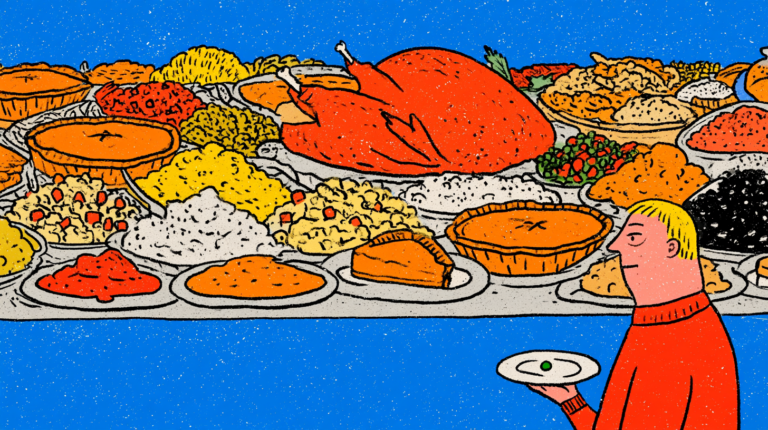
Of course, there’s nothing wrong with people scaling back on portions, eating healthier foods, or drinking less alcohol, but it’s important to consider how these changes are altering some of our longest-standing holiday traditions. Generations of American households have looked forward to the one day of the year when it’s perfectly acceptable to save your appetite all day so that you can eat enough turkey, stuffing, and pie to feed a small village. And don’t forget the wine to wash it all down! Grocery stores, similarly, bank on these holiday feasts to meet their annual sales targets. These norms may change now that more people are using weight-loss medications. GLP-1 users can’t just skip the medication for a day or turn their appetites back on to keep the traditions going. For many users, just the thought of overeating makes them feel ill.
Little data show exactly how much less GLP-1 users will eat during the holidays, but given the existing data on lowered appetites among users, dinner hosts with GLP-1 users in attendance should expect more leftovers compared to previous years. In addition to food supply changing, the dynamics could also change between members of some families. That one relative who always used to have a few eggnogs too many could instead spend his holidays sober. The dinner table that was once filled with people eating from overfilled plates may instead see some people with drastically different, sample-sized portions. And due to how fast users are seeing weight-loss results, other family members whom you may not see so often could appear unrecognizable.
These changes, again, say nothing wrong about people having better habits. But in the way that businesses need to predict supply and demand to make a profit, dinner hosts, in a weird way, need to make similar market predictions to avoid waste. Behind holiday dinners are exhaustive checklists, long shopping trips, and hours—even days—of cooking.
There’s no use in spending all of the time, money (especially in today’s economy), and effort into cooking up a feast only to find that half of the guests are on weight-loss medications and cannot stomach it. Before GLP-1s, people were eager to take bags of leftovers home and have plenty of supplies for gobbler sandwiches throughout the week; but this year, those leftovers have a much greater chance of ending up in the trash. You’re probably better off sending an anonymous survey to guests asking if they’re on GLP-1s and shop and cook accordingly.
In all seriousness, the Gallup survey still points to a relatively small but increasingly visible population of people on GLP-1s. So this holiday season, some families may not feel the effects of this new weight-loss trend at all, while it’ll be more apparent for others; but with the drug becoming more popular and affordable to consumers, we should prepare for that 11% of users to continue to increase over the years, making a greater impact on families and their collective eating habits.
So, while Christmas cookie dough sales could go down and folks will pass on a second helping of stuffing and gravy this holiday season, weight-loss drug companies aren’t delivering bad news to everyone. That 6% price increase on the holiday feast may be less noticeable to those celebrating a GLP-1 Thanksgiving. And good news for Greek yogurt and cottage cheese companies: products are practically flying off the shelves, and clothing stores are welcoming a new wave of customers looking for a new wardrobe as they size down. Look out, Black Friday retailers!