(Playboy Press, 747 Third Ave., New York, N.Y. 10017), 1981 • 295 pages • $13.50 cloth
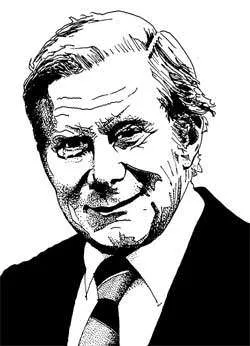
By day he is an academically credentialed professor of economics at a prestigious university, and he also heads the International Institute for Economic Research. But when night falls he gets on syndicated radio for a three minute commentary as The Midnight Economist. He is William R. Allen, an exceedingly well-integrated dual personality.
For the past several years I have been reading his scripts regularly. Each one has but a single point to make, and makes it brilliantly. Allen has such mastery of his economic philosophy that he brings precisely the relevant considerations to the topic at issue, and no others. His treatment is witty, down-to-earth, and devastating. Who says economics can’t be fun?
There’s basic stuff here; topics like private property, the free market, money, the corporation. And, there are critiques of communism, consumerism, government tinkering, pollution, energy, unionism, inflation, tariffs, environmentalism, and the like. We discover that economics is not so much a new subject matter as a new way of looking at all subjects. Ecology? We all want to pre serve our natural resources; we want to save the whale. Listen to the economist and we’ll realize that ecology is a subdivision of economics-and this will keep a lot of environmentalists off the streets. You dislike smog? Allen clears the air. And much more.
Read separately and at intervals, Allen’s brief talks were vastly entertaining. In book form they are addictive.