Building on our legacy of liberty.
This month marks 80 years since Leonard E. Read established the Foundation for Economic Education. Read was a great communicator, and his best-known work, “I, Pencil,” explains the functions of markets with a perfect clarity. Having built his career with the Chamber of Commerce, Read felt that trade and business were the best ways for society to move forward, with the principles of free exchange. His goal was to make the message of the market accessible.
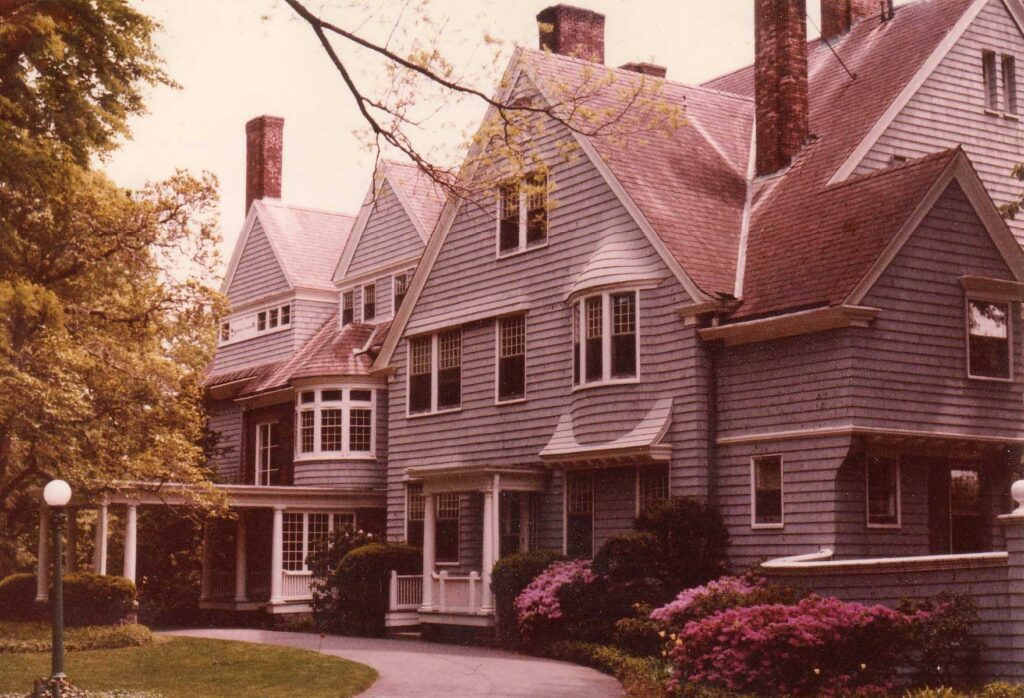
He started FEE in New York as a tiny think tank, one of the first in the world to focus on free market ideas. Over the next eight decades, FEE would grow and build a legacy of educating for economic freedom. After beginning in Manhattan office space, FEE moved to a sprawling house in Irvington, New York, where Read and his colleagues would host seminars that trained generations of liberty-minded thinkers.
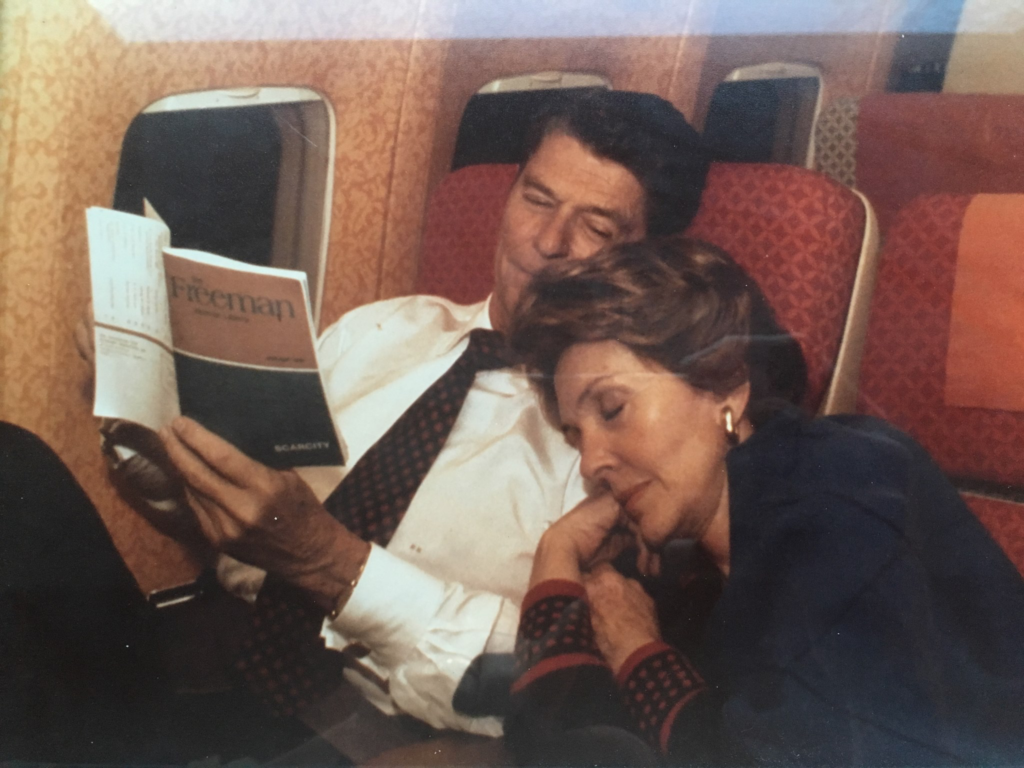
FEE took over the libertarian magazine The Freeman in the 1950s, and in its pages were essays from thinkers as varied as Ludwig von Mises to Jerome Tucille, William F. Buckley, Jr., to Margaret Mitchell. FEE continued to work with free-market academics, and Milton Friedman would help bring the lesson of “I, Pencil” to an international audience. During the Reagan years, The Freeman was carried on Air Force One.
The Freeman was a messenger far beyond the United States. Ron Manners, who would go on to found the Mannkal Economic Education Foundation in Western Australia, wrote in his autobiography of discovering the ideas of FEE through the magazine:
I can remember to this day, the exhilaration I felt on reading new thoughts about business ethics, the moral foundations for capitalism and the concepts of free markets and individual responsibility—ideas that had never before entered my consciousness.
From the Cold War into the 21st century, FEE has championed the values of free markets and individual liberty, reaching thousands of people through its publications and programs. Friedrich Hayek, who spent time at FEE, described its goal as “nothing more nor less than the defense of our civilization against intellectual error.”
As we mark our birthday, I wanted to share some reflections from those who have worked with FEE over the years. Pedro-Pablo Velasquez of the Universidad Francisco Marroquín (and now member of FEE’s faculty) was one of those whose lives were changed by attending a FEE seminar: “For the first time, I truly understood that defending freedom and markets is not a solitary endeavor, but a shared journey—one that builds lifelong friendships across the world.”
Peter Earle of the American Institute for Economic Research describes FEE as “long a valuable part of the broader ecosystem advancing economic literacy and the principles of a free society. Its commitment to clear, accessible ideas has helped introduce generations of readers to thoughtful discussions about markets, liberty, and responsibility.”
Mark Skousen, former FEE President (2001–2002) and founder of FreedomFest, says:
I started my road to free markets and free minds by reading The Freeman religiously as a teenager, and would never have guessed that someday I would be president of FEE! I always loved the name FEE because freedom is never free. Every generation has to earn it. Founder Leonard Read showed the way with his essay “Won by One,” how each individual can light a candle to shine the light of liberty throughout the world. I’m so glad FEE is alive and growing under another generation of freedom lovers.
Lawrence Reed, FEE’s President Emeritus, was connected to FEE for decades before taking the helm in the 2000s, and he writes:
My association with FEE dates to the late 1960s and encompasses three-quarters of its eight-decade history. Leonard Read would be immensely proud that his legacy has never been diluted by any drift away from the principles he firmly planted at FEE’s inception. The philosophy of freedom and free markets, built upon sturdy precepts of moral character, remains the bedrock of all that we believe and do.
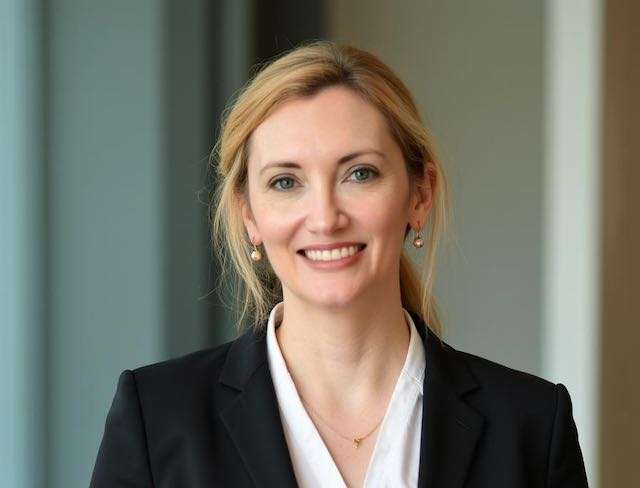
Celebrating our first eighty years, and looking to the next eighty, our President, Diogo Costa, explains FEE’s success like this:
The Foundation for Economic Education helped launch the modern free-market movement in America, at a moment when the case for liberty had to be rebuilt from the ground up after years of New Deal expansion and wartime collectivism. Since 1946, it has shaped generations of thinkers, including me, and today it stands in that same foundational role: renewing the case for economic liberty for a new generation.
To support FEE, click here.