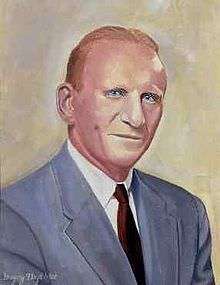
Mr. Fertig is a columnist on economic affairs, New York World-Telegram and Sun and other Scripps-Howard newspapers, in which this column first appeared February 2, 1959.
When ten leading nations of
Mr. Gaitskell said he was against this move on
He was right, of course, in saying that
But every other country in the ten-nation group will be subject to the same discipline. They have all thrown away a crutch—the control of their currency earned by nonresidents—in order to achieve much greater benefits. Trade will be stimulated, exports will increase, and the plain citizens and business people of every country will get a better break because they will be able to use whatever currency they earn in trade to buy the best value in any country they choose.
It is curious that this move was made possible by the fact that the dollar is no longer the Rock of Gibraltar. It has become considerably weaker. It is no longer feared that, given half a chance, everyone will rush to convert into dollars every pound or franc or lira he can lay his hands on. A
Soft Dollars
The dollar has weakened for two obvious reasons. In the first place we are pricing ourselves out of export markets because our costs are rising too rapidly and so are our prices. The
This country has lost over $2 billion in gold during the last year, and we are still losing it. A continued loss of gold will be a serious matter. This much is certain: We can no longer pursue uneconomic policies with impunity. We cannot price ourselves out of markets, engage in continued inflation, or give away dollars in profligate fashion. If we do, the dollar will weaken, there will be a greater outflow of gold, and dollar devaluation will be the only answer.
Restraints on Convertibility
It should be noted that there still remain some great restrictions on the transfer of currencies in practically all of these European countries. Money invested in stocks, bonds, real estate—in fact any form of invested capital—still cannot be freely converted into other currencies when the capital investments are sold. Like a person who has been fed drugs for many years, these countries are afraid to throw away all their drugs and move at once toward complete freedom of their currencies.
Nevertheless, the limited move they have made toward freedom is highly encouraging and significant. To make this move required both economic strength and courage. Henceforth, these countries can no longer depend upon the European Payments Union for credit when their trade balances become adverse. They must settle their trade payments in gold, since the EPU was abandoned upon the signing of the new agreement. These countries can no longer depend upon tight exchange controls to cover up their inflationary policies. If they inflate, they will lose trade and gold. The pressure will be on them to put their economic house in order and keep it so.
In substance the move to unfreeze European currencies will mean freer world trade, will curb their inflationary tendencies, and will give economic strength to the West in the fight against the Soviets. But we must realize that it will put the dollar on the defensive and reveal any inflationary weakness here very quickly.