
An update from the Institute for Justice.
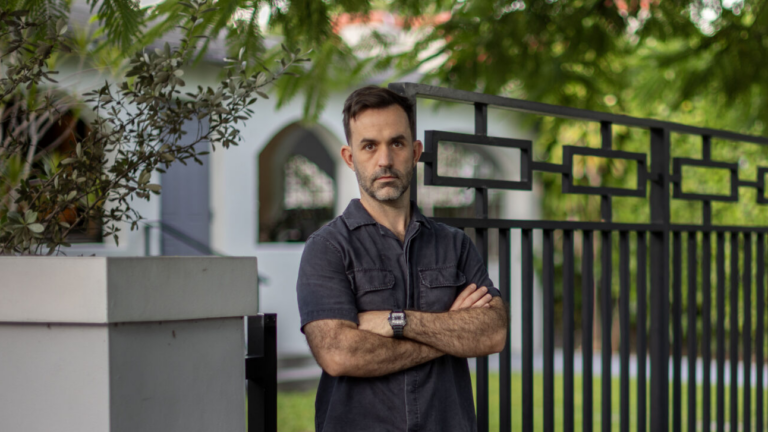
Chad Trausch and his wife’s family was growing, so he decided to expand his Miami home. But when he submitted plans for a two-bedroom, two-bathroom addition, the city came back with a strange request: it wanted half his front yard.
Chad was perplexed. The demand for land had nothing to do with the addition. The city didn’t seem to have any concerns with his building plan; it simply saw an opportunity to force Chad to give up part of his property. The city didn’t even have an immediate plan to use the land; it just wanted to bank it away in case it decided to widen the street. So, Chad decided to fight back with the help of the Institute for Justice (IJ) to protect his property rights and the property rights of everyone else in the city.
It turns out that Miami has been doing this to property owners across the city for years. The city’s Director of the Department of Resilience and Public Works, Juvenal Santana, testified that there have been “hundreds” of these demands.
It works like this: a homeowner wants to build on their property and needs a permit. If they want to build an extra bathroom, bedroom, an accessory dwelling unit, or any other type of addition defined under Miami code they must get permission. This is a fairly standard process in many cities. But in Miami, the government has used the permitting process to take land from residents without having to pay for it. They go through the process, fill out all the paperwork, and check all the required boxes. But the city, instead of accepting the paperwork, comes back with a demand—their property, for free, in order to build.
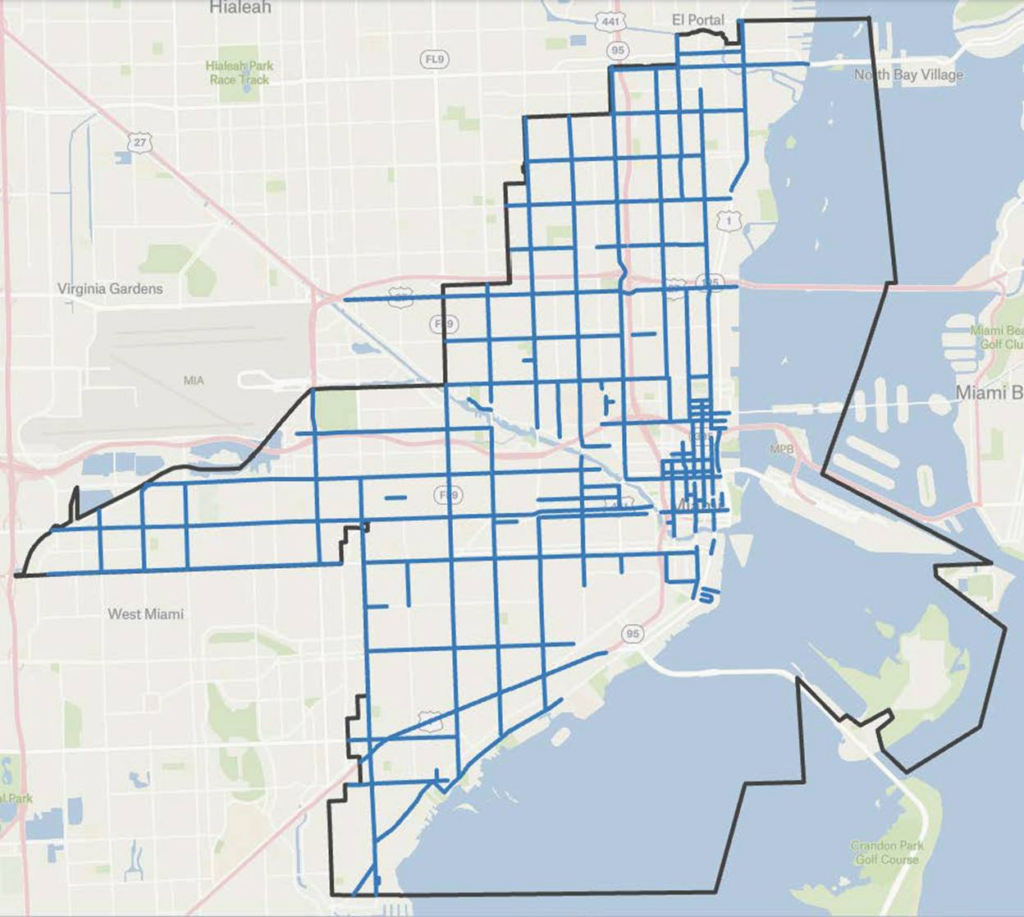
The city has been doing this because they want to bank the land to eventually widen roads at some point in the future. As it currently stands, IJ has been able to identify 66 streets with more than 1,000 houses at threat to this scheme.
Chad spent a year and a half in permitting purgatory and reached out to IJ after he filed a lawsuit against the city by himself. Soon after IJ started to represent him, Miami dropped its demand and issued the permit.
But in the time that Chad spent waiting for Miami, the cost of construction materials and labor exploded. Today, it will cost him $200,000 more to complete the addition. And, Miami hasn’t admitted its deliberate efforts to violate Chad’s rights and take his land. If Chad ever submits another permit application, the city may renew its demand for his land.
When property owners seek to improve their property, a city must only consider whether their permit application satisfies the law. It can’t make other demands. That’s why Chad has filed a new lawsuit with IJ to stop Miami from mistreating property owners and compensate him for the harm caused by its unconstitutional demand.
This article originally appeared at the Institute for Justice’s website.